Five Days of Leadership and Artificial Intelligence: Highlights from the Youth Connect for Ukraine Summer School
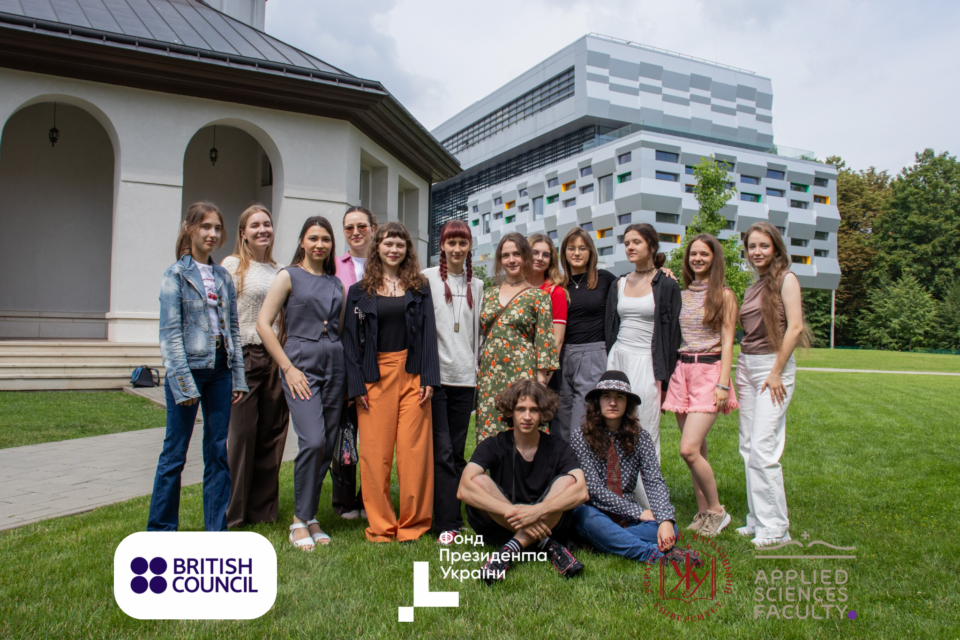
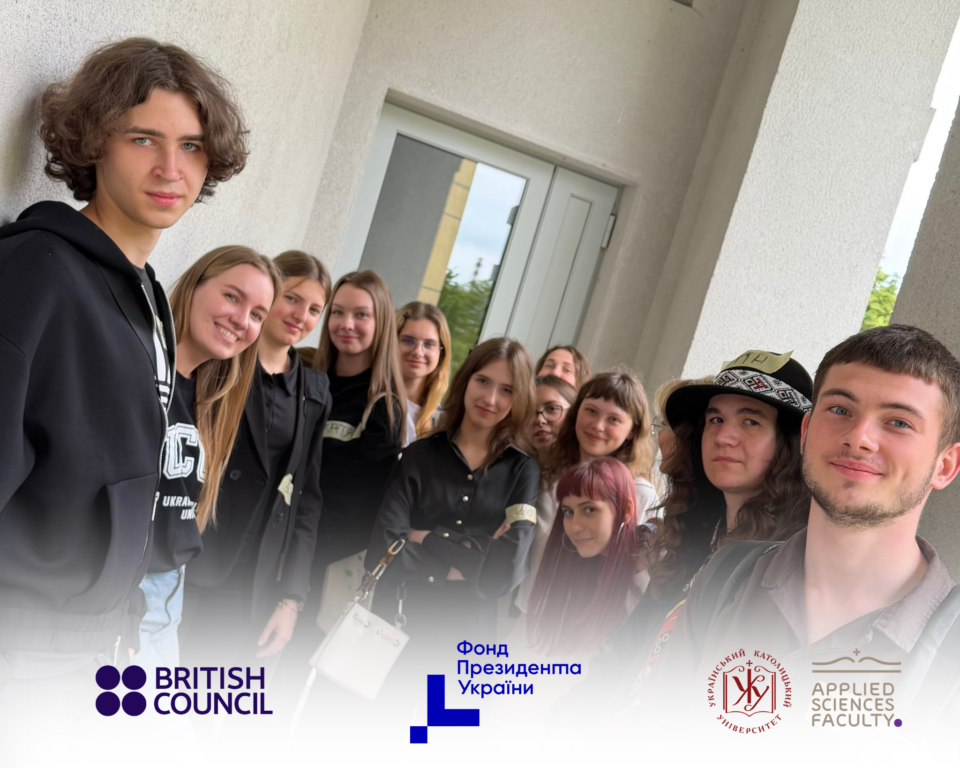
The Youth Connect for Ukraine: Artificial Intelligence for Professional Development and Leadership summer school has concluded in Lviv. It was jointly organised by the Fund of the President of Ukraine for Education, Science, and Sports, the British Council, and the Ukrainian Catholic University.
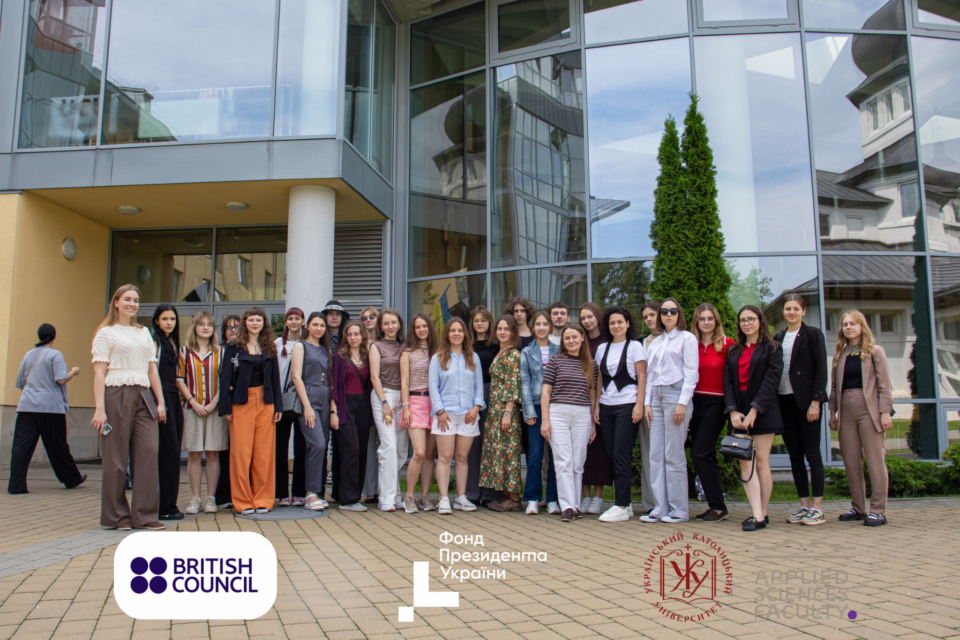
From 13 to 17 July, 24 students from frontline regions who are part of the Fund of the President of Ukraine’s community of talented youth developed leadership competencies, mastered modern artificial intelligence tools, and worked on their own social action projects.

Day 1. Introductions, Values, and AI as a Leadership Tool
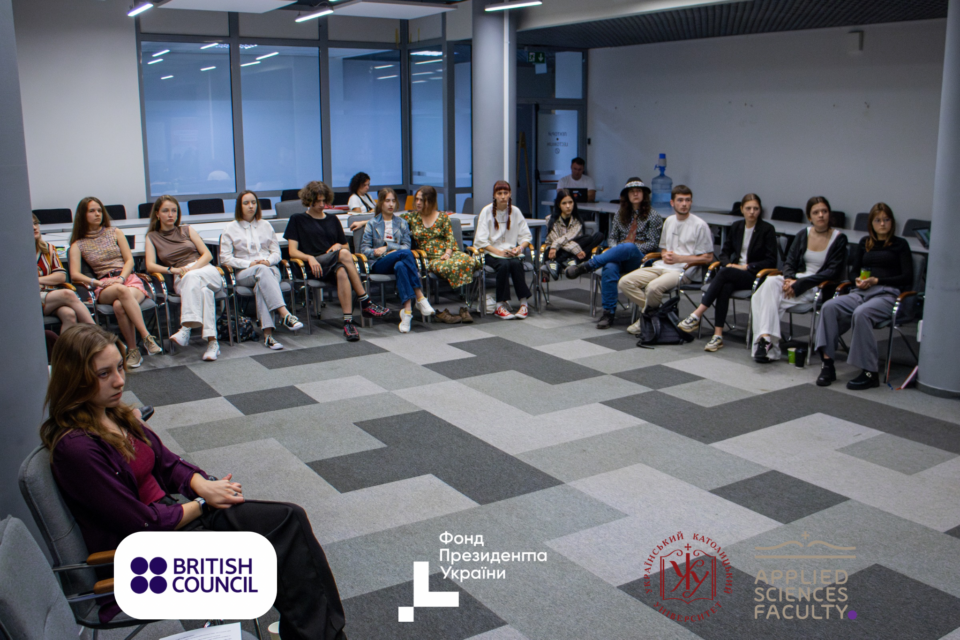
The summer school began with participants getting to know one another, building a shared space, and identifying their personal expectations for the training.
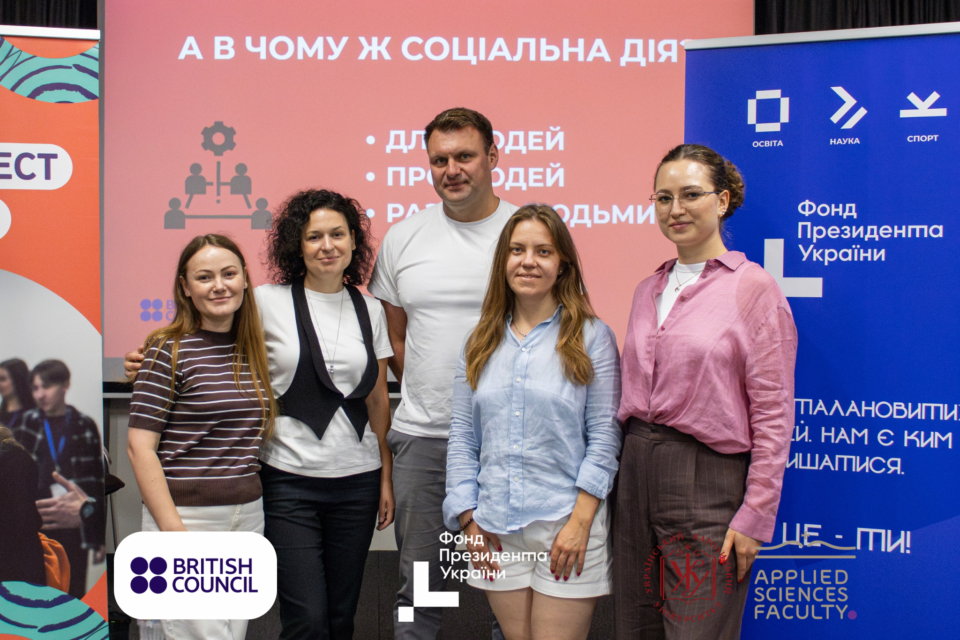
Participants were welcomed by Youth Connect for Ukraine project coordinator Daria Voronina, the Fund’s Head of Community Strategic Development Anastasiia Kuleba, and certified British Council trainers Anna Gladka and Nadiia Yurova.
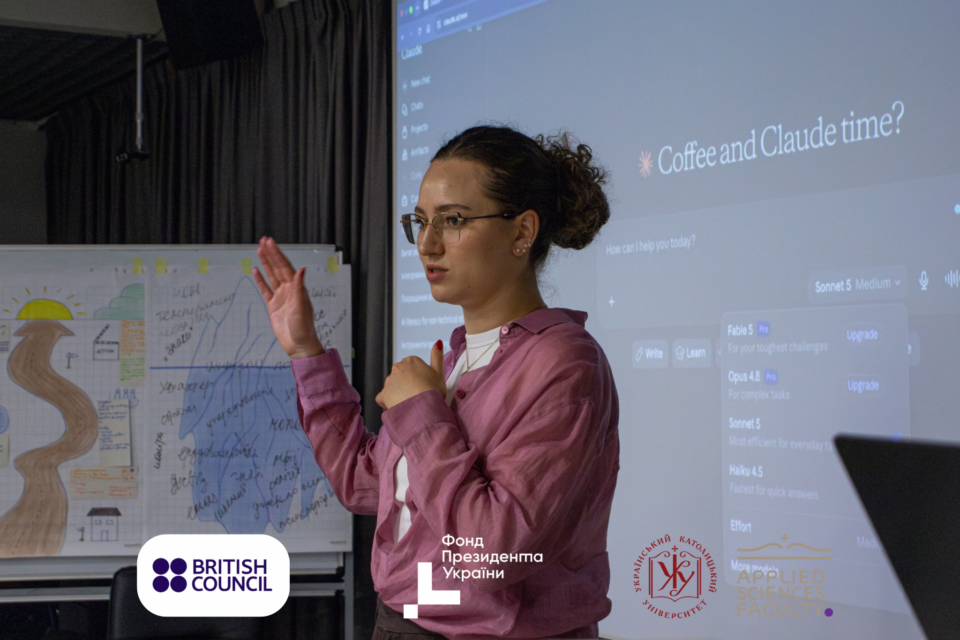
Through hands-on exercises, participants explored their own identity, values, life experience, and beliefs that shape their leadership. Anna Gladka led the “Iceberg of Identity” exercise, and together with Nadiia Yurova, participants used personal stories to find the shared values that unite the Youth Connect for Ukraine community.
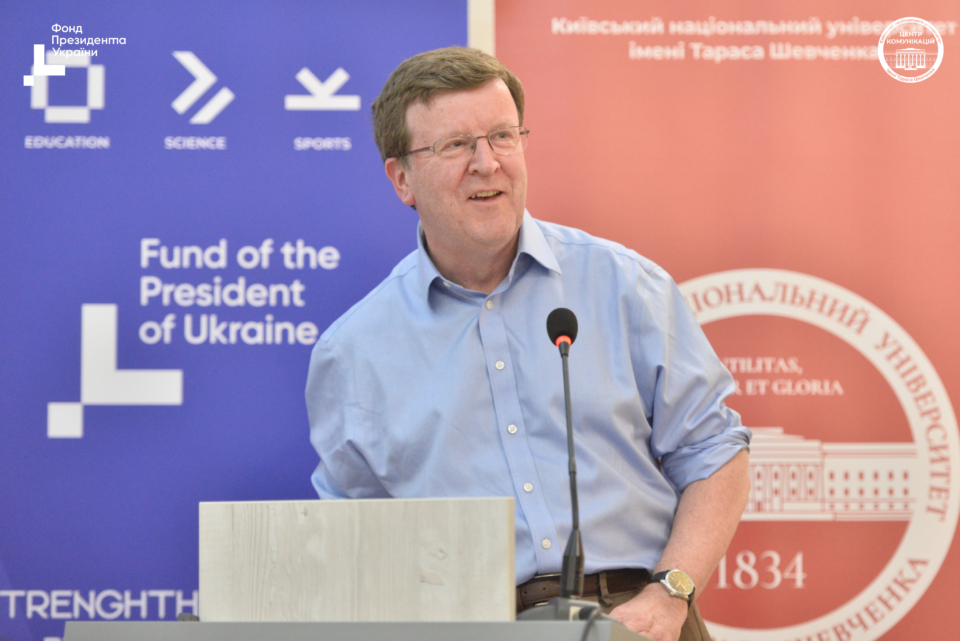
The day concluded with a lecture by Fund Board member and UCU Director of Innovation Oleksii Molchanovskyi on artificial intelligence as a leadership tool, its history, and its current capabilities and limitations.
Anastasiia Prudnik, a participant and Computer Science student at V. N. Karazin Kharkiv National University, shares:
Day 2. Leadership Styles, Empathy, and Critical Thinking
The second day of the programme focused on the practical competencies needed for leadership and teamwork.
With British Council trainer Nadiia Yurova, participants compared different leadership styles and explored the power of collective action. During Anna Gladka’s sessions, they practised active listening, empathy, and non-violent communication, learning to hold dialogue that helps ease tension and build trust.
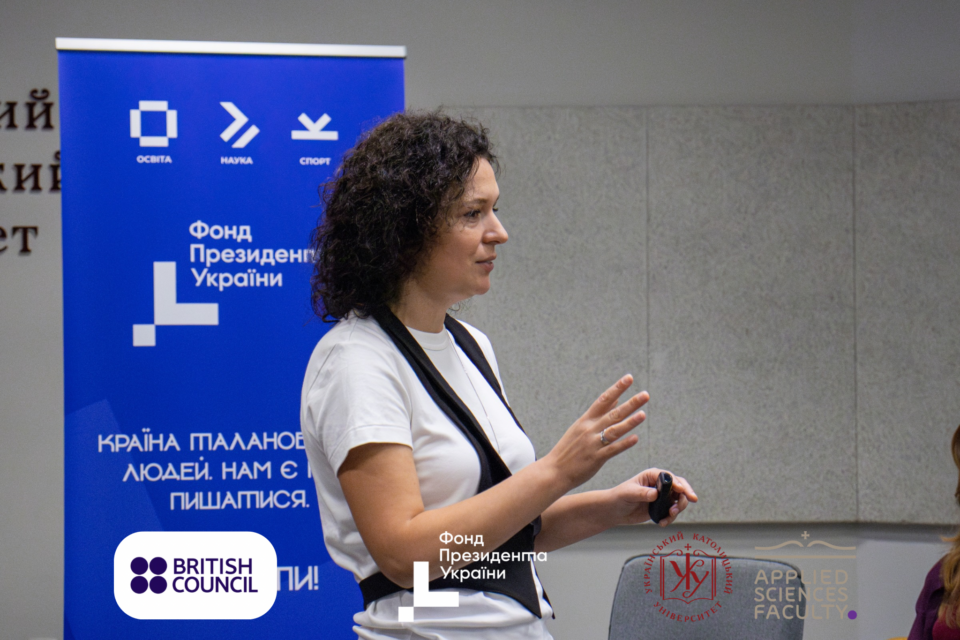
A separate session led by Nadiia Yurova focused on critical thinking and the cognitive biases that can affect a person’s decisions.
Day 3. AI for Problem Research and a Leader’s Cognitive Skills
On the third day, participants moved on to more in-depth work with artificial intelligence tools.
AI engineer and UCU Innovation Office specialist Kateryna Akhynko showed participants how to use artificial intelligence to research complex social problems faster and in greater depth.
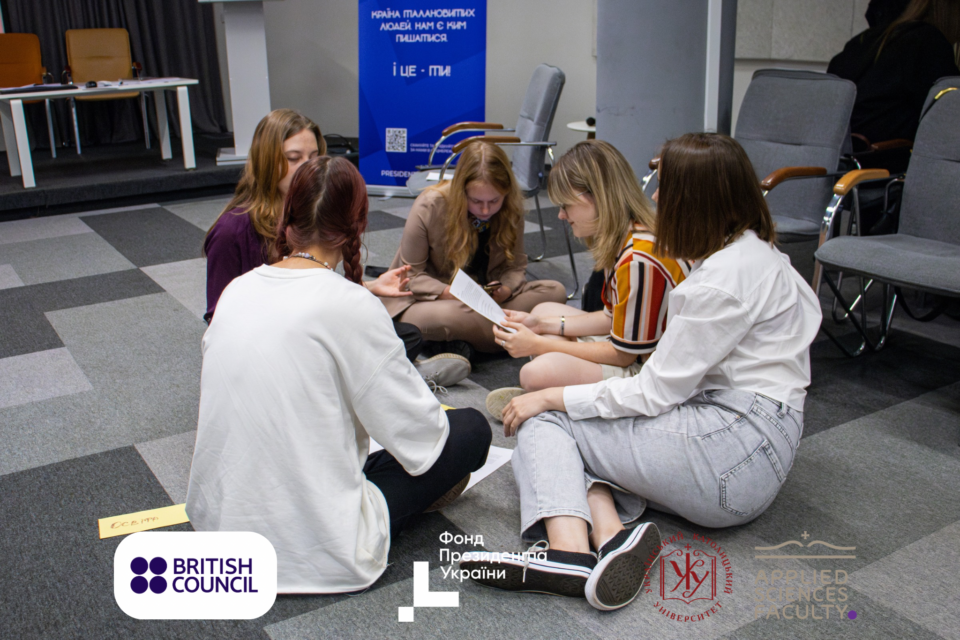
Anna Gladka and Nadiia Yurova then ran a social action simulation game. Participants went through the whole process — from defining a problem and shaping an idea to presenting their team’s solution and receiving feedback.
Ukrainian psychologist Anastasiia Shyroka, Associate Professor at UCU’s Department of Psychology and Psychotherapy, spoke about the human qualities that matter more and more in a world strengthened by technology. Her lecture focused on a leader’s cognitive skills in the age of artificial intelligence.
Day 4. Data Analysis and Building AI-Powered Projects
The fourth day focused on turning ideas into practical solutions. With Kateryna Akhynko, participants learned to analyse text and numerical data using AI tools, apply them to make well-founded decisions, automate individual processes, and build prototypes.
After the training sessions, teams moved on to independent work on their own social action projects, with mentoring support from experts.
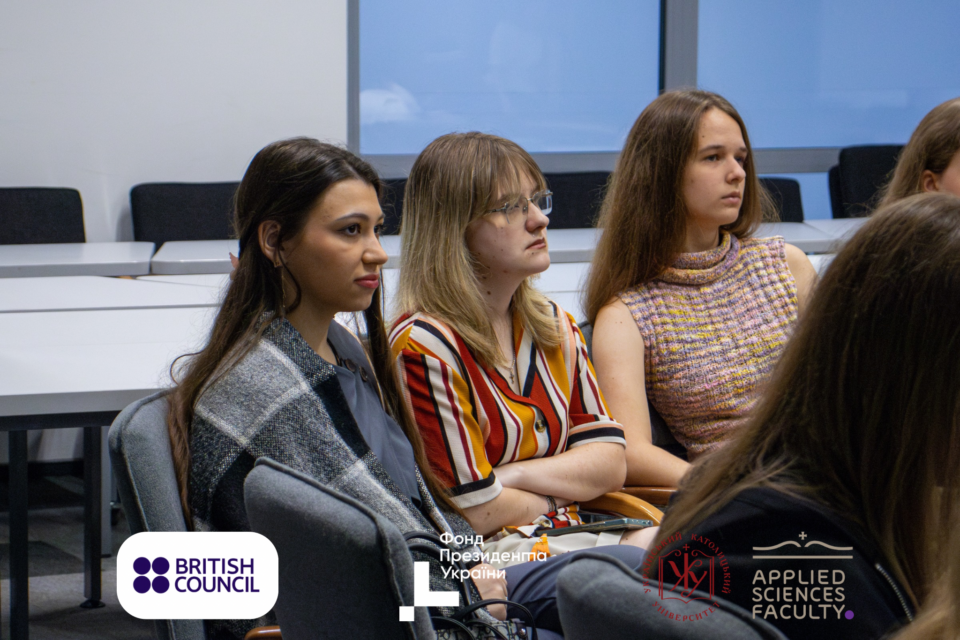
Anastasiia’s team worked on a solution focused on digital literacy among older adults.
Day 5. The Future of Professions, Project Presentations, and Wrap-Up
The final day opened with a discussion of how the development of artificial intelligence is changing the economy, the labour market, professions, and business processes. The session was led by Kateryna Akhynko.
Oleksii Molchanovskyi presented participants with examples of AI use in education, science, medicine, culture, and the civil society sector.
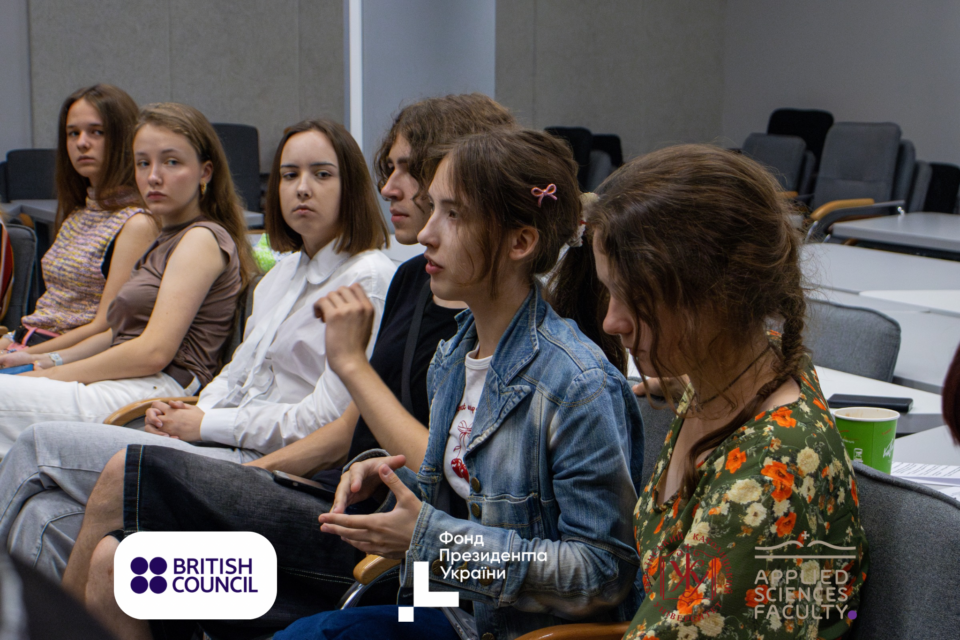
The centrepiece of the day was the pitching session for the teams’ AI-powered projects. After the presentations, participants reflected on what they had learned, articulated their key takeaways, and received certificates for completing the programme.
According to Anastasiia Prudnik, an important outcome of the school was not only new competencies, but also the community formed over the five days.
Background
The Youth Connect for Ukraine: Artificial Intelligence for Professional Development and Leadership summer school was delivered by the British Council in partnership with the Fund of the President of Ukraine for Education, Science, and Sports and the Ukrainian Catholic University.
The initiative combined the British Council’s youth leadership development methodology, the Ukrainian Catholic University’s expertise in artificial intelligence, and the Fund of the President of Ukraine’s systemic work to build a community of talented young people.