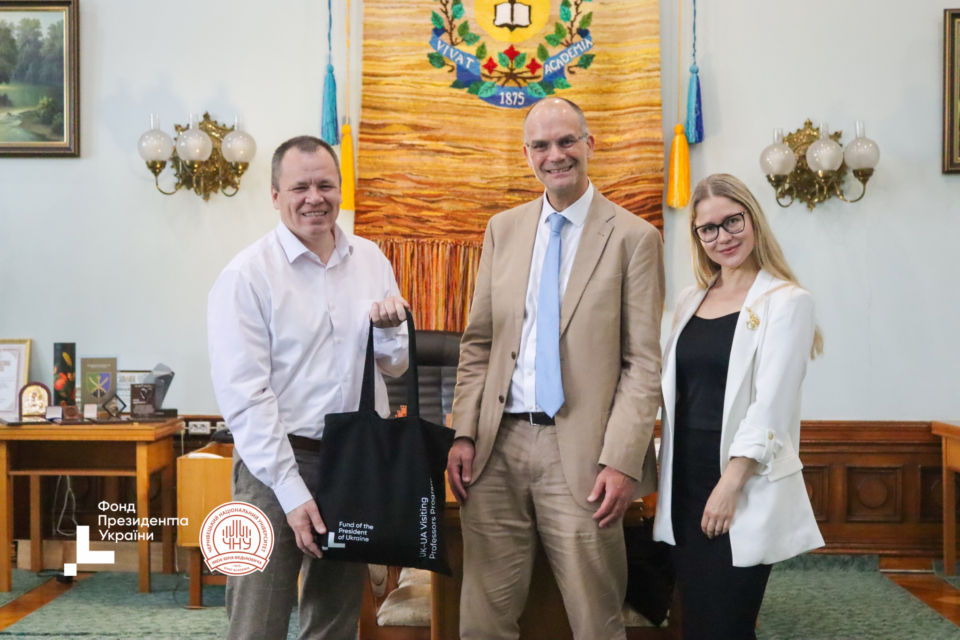
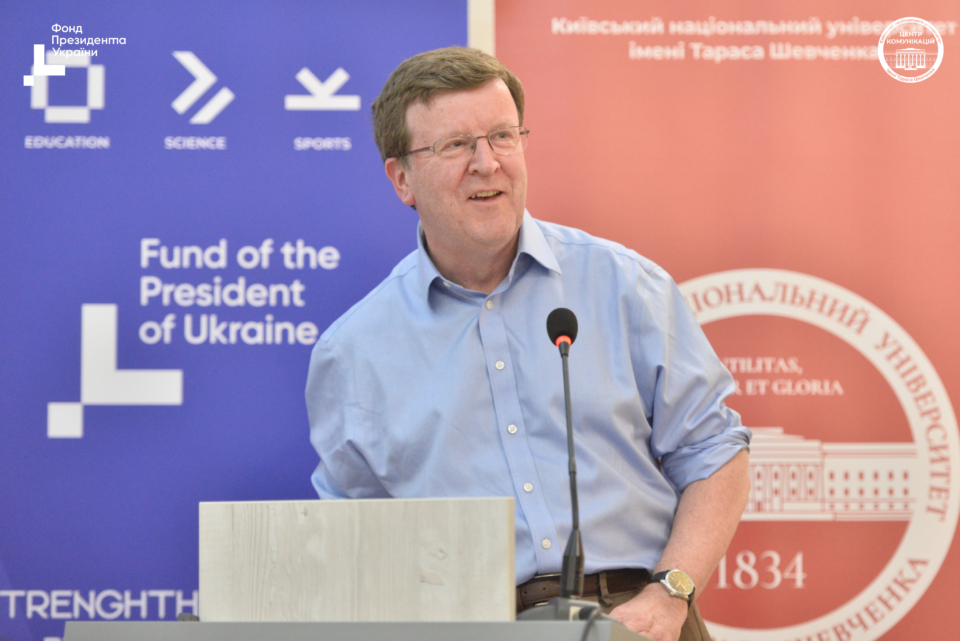
British professor Mark Horton visited Sumy as part of the UK–UA Visiting Professors Programme.
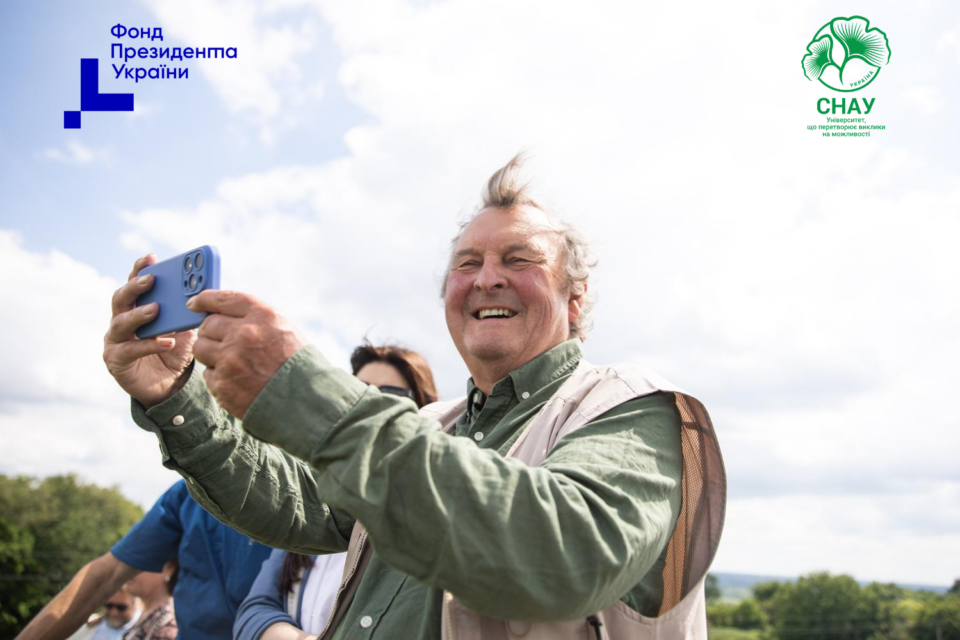
Mark Horton, Pro Vice-Chancellor for Research and Enterprise at the Royal Agricultural University, visited Sumy National Agrarian University as part of the UK–UA Visiting Professors Programme of the Fund of the President of Ukraine for Education, Science, and Sports. During the visit, he engaged with students, postgraduate students, and researchers on issues related to Ukrainian history, archaeology, and the restoration of war-affected soils.
The visit combined several areas of work: open lectures for students and lecturers, meetings with young researchers, discussions on research into war-damaged soils, an introduction to the historical and cultural heritage of the Sumy region, and talks on further cooperation between SNAU and the Royal Agricultural University.
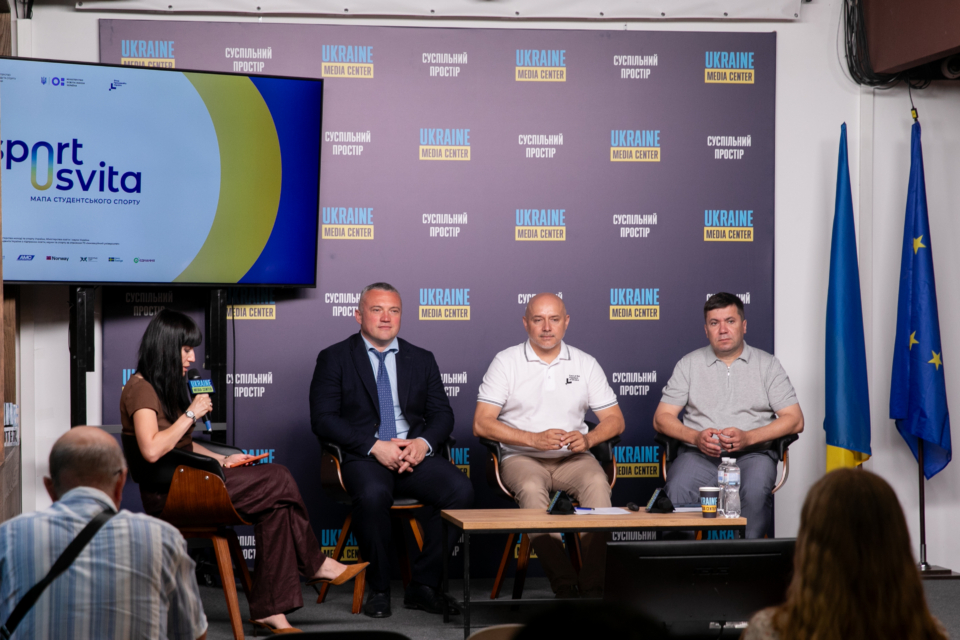
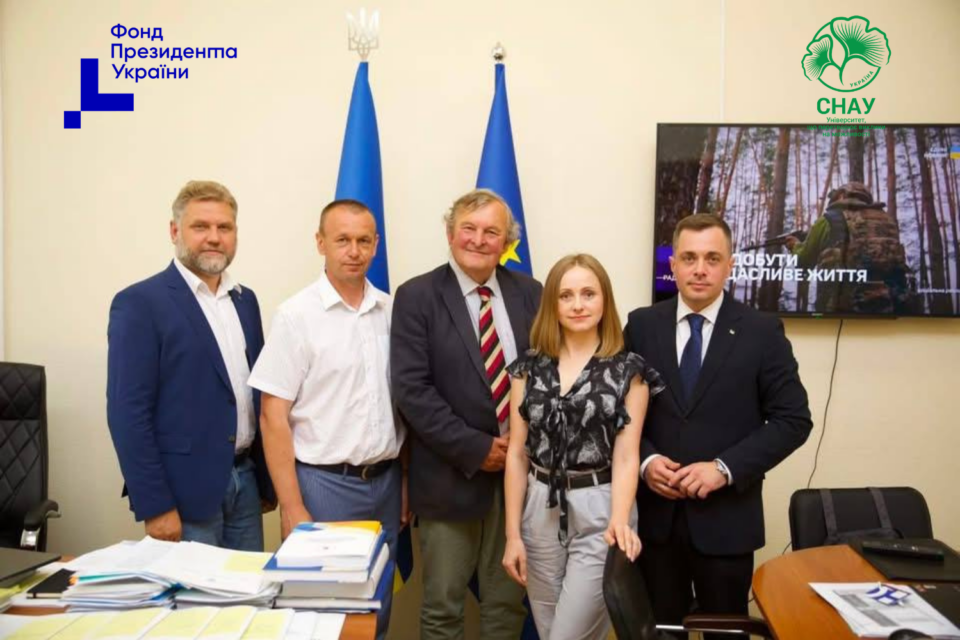
In Kyiv, the Rector of SNAU Ihor Kovalenko, Vice-Rector Yuriy Danko, and Professor Mark Horton visited the Ministry of Education and Science of Ukraine and the Fund of the President of Ukraine. During meetings with Mykola Trofimenko, Deputy Minister of Education and Science of Ukraine, and Yuriy Petrushenko, Director of the Fund, the parties discussed the development of joint research initiatives, academic mobility and international scientific projects related to Ukraine’s reconstruction.

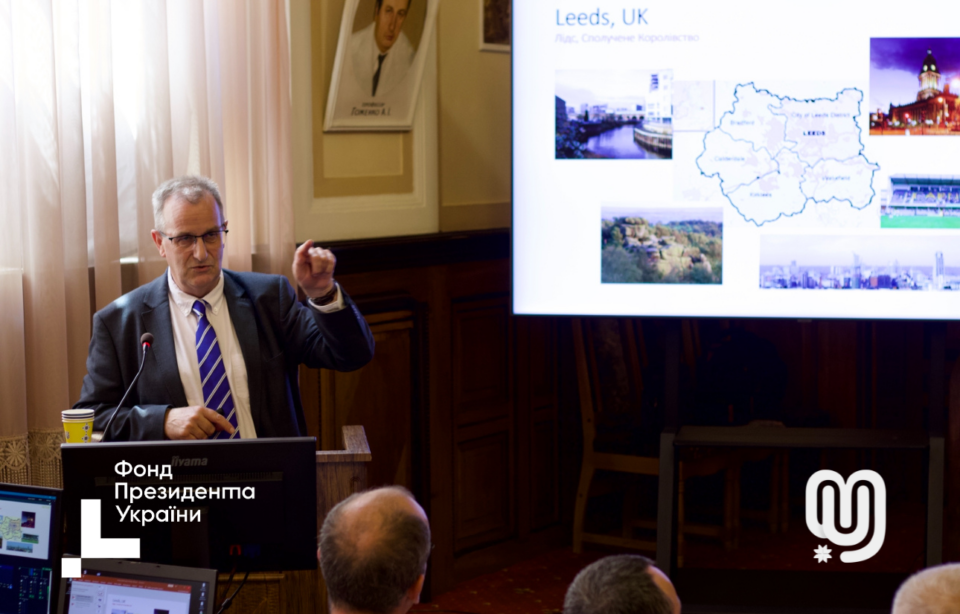
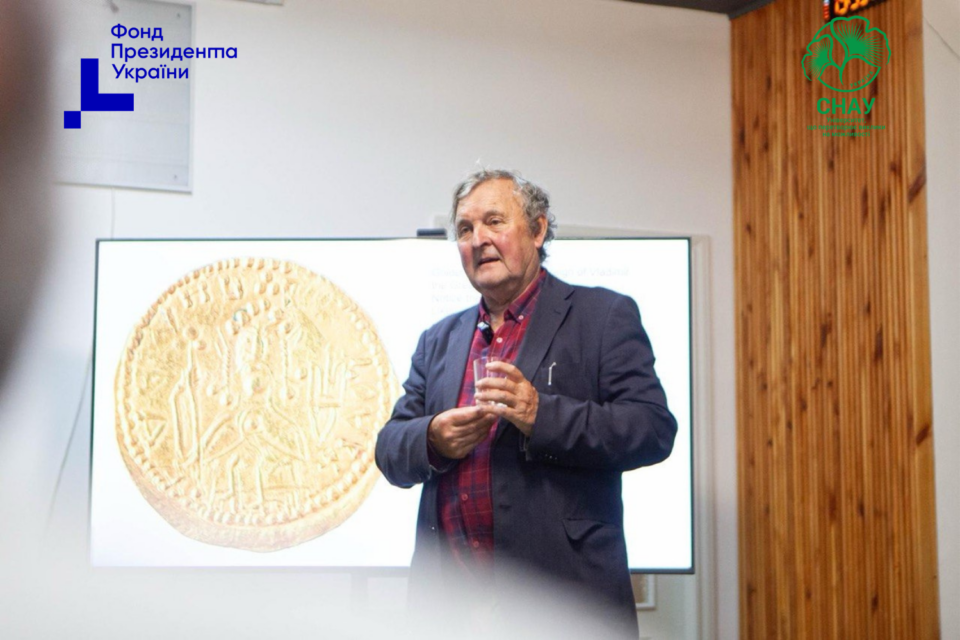
At SNAU, Professor Mark Horton delivered two open lectures. These were attended by students, postgraduate students, early-career researchers, lecturers and participants in joint educational programmes between SNAU and the Royal Agricultural University.
The lecture “Ukraine and the Eastern Vikings: Archaeological Evidence” focused on archaeological evidence of Ukraine’s historical links with Scandinavia, Eastern Europe and Byzantium. Professor Horton spoke about the role of the Eastern Vikings in shaping trade routes, cultural contacts and political processes during the era of Kyivan Rus’. A particular focus of the lecture was on how archaeology helps to distinguish scientific knowledge from historical myths and political interpretations.
The second lecture was devoted to the assessment and restoration of soils damaged as a result of the war. The focus was on geospatial technologies, GIS systems, field research, land monitoring, pollution mapping and approaches to developing practical recommendations for the restoration of agricultural land. These tools form the scientific basis for the future recovery of communities, the agricultural sector and environmental security in Ukraine.
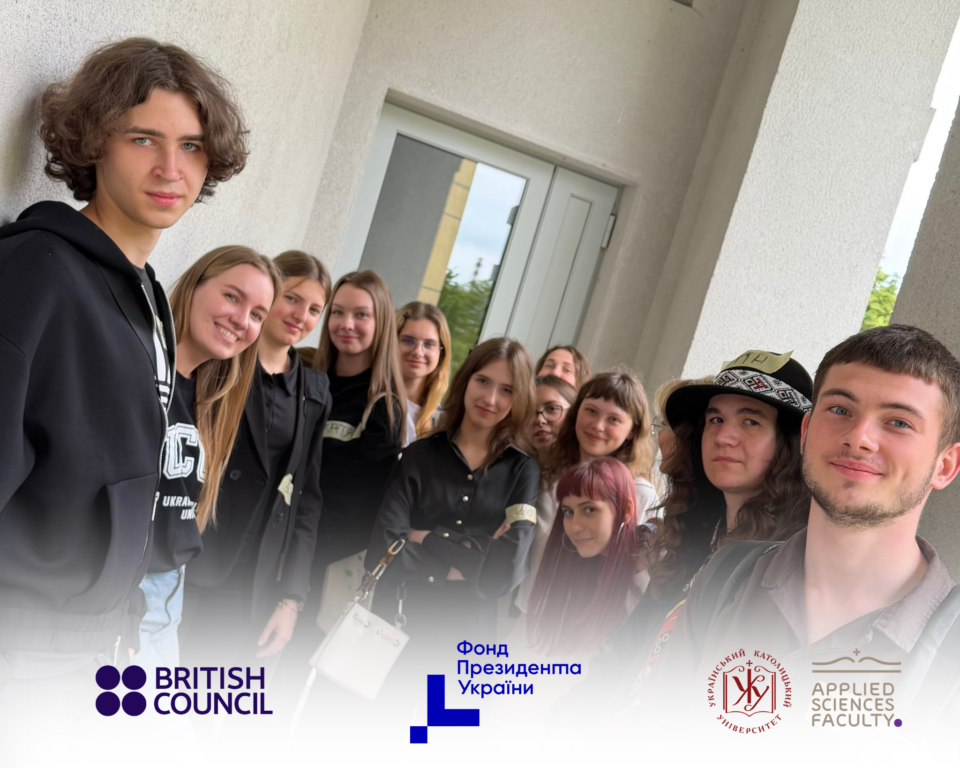
A separate part of the visit was Professor Horton’s meeting with postgraduate students and young researchers at SNAU. Together with Dr. Olena Melnyk, Research Associate at Bern University of Applied Sciences, the participants discussed the impact of hostilities on agricultural land, the need for systematic soil monitoring, sampling, laboratory analysis, risk assessment and the preparation of recommendations for farmers and communities.
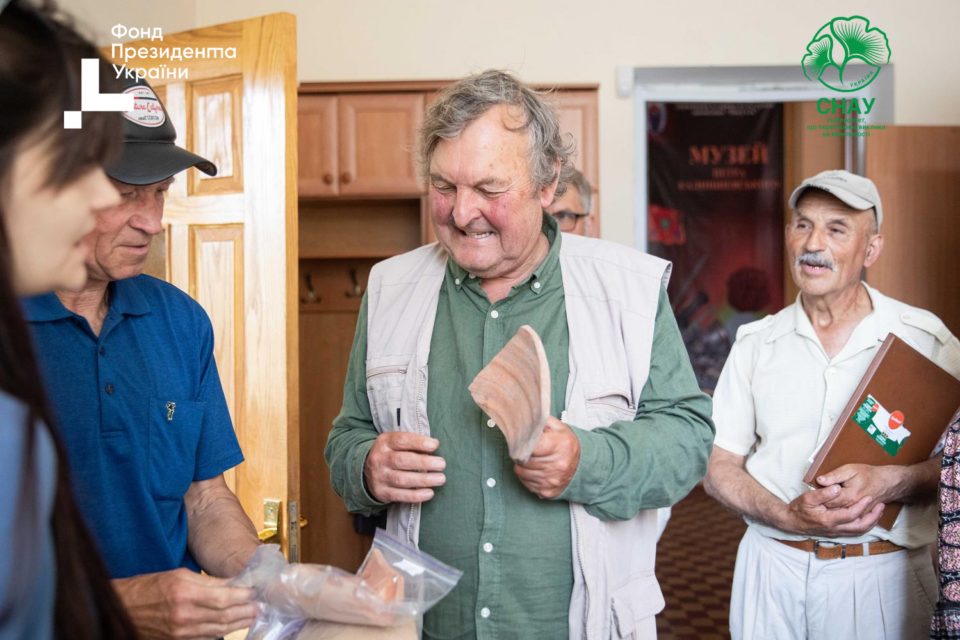
During the visit, the professor also explored the historical and cultural heritage of the Posullya region, in particular the Posullya burial mounds and the Petro Kalnyshevsky Museum in the village of Pustovoytivka. For SNAU, this visit formed part of a broader academic dialogue on Ukraine’s historical experience, culture and the significance of local history for a contemporary understanding of Ukraine.
Professor Horton’s working meeting with the SNAU administrative team focused on the further development of the partnership between the university and the Royal Agricultural University. The parties discussed opportunities for new joint educational programmes, the expansion of research collaboration, support for early-career researchers, and the prospects for dual supervision of postgraduate students.
The UK–UA Visiting Professors Programme is implemented by the Fund of the President of Ukraine in collaboration with the UK–Ukraine Academic Diaspora Network, JSC ‘Ukrgasbank’ (UGB) and the ‘MHP-Hromadi’ Charitable Foundation.
The programme enables Ukrainian universities to invite lecturers from leading British institutions ranked among the top 250 in the QS, THE, or ARWU global rankings for collaboration. Visiting professors deliver lectures, provide consultations, lead practical sessions, and organise academic events, and may also engage in joint research projects. An in-person visit to a Ukrainian university is a mandatory component of the programme.
During a full-scale war, such initiatives help Ukrainian universities maintain a vibrant academic environment, develop STEM disciplines, strengthen international partnerships and create opportunities for students and young researchers in Ukraine.
Background
The Fund of the President of Ukraine for Education, Science, and Sports supports talented young people, promotes the development of Ukraine’s human potential, fosters international academic cooperation, and encourages foreign lecturers and researchers to work at Ukrainian higher education and research institutions.
The Fund supports talented youth through presidential awards and scholarships, promotes early-career research, develops international education and research programmes, enables youth participation in international events, strengthens STEM education, and expands opportunities for study and research in Ukraine.