Ukrainian Week in France: New Agreements with Leading Universities and Advancing Ukraine’s Integration into the French Academic Setting
From 24 to 31 March 2026, Ukrainian Week in France brought together a series of academic and public events across Grenoble, Metz, Rennes, and Paris. The initiative marked a significant step in strengthening Ukraine’s presence within European universities, deepening inter-university cooperation, and fostering sustained academic interest in Ukraine. It also contributes to dismantling the long-standing dominance of Russian narratives in Eastern European studies. As a result, France has expanded its representation in the Global Coalition of Ukrainian Studies (GCUS) to 16 institutions.
The programme was delivered by the Global Coalition of Ukrainian Studies in partnership with the Fund of the President of Ukraine for Education, Science, and Sports, alongside the Ukrainian Institute, the Crimea Platform, the Ministry of Education and Science of Ukraine, the Ministry of Foreign Affairs of Ukraine, the Embassy of Ukraine in France, and leading French and Ukrainian academic partners. Events took place at Sciences Po Grenoble, University of Lorraine, CMI Rennes, INALCO, the Ukrainian Cultural Centre in Paris, and Sorbonne Université.
For decades, organisations such as the “Russkiy Mir” Foundation, Rossotrudnichestvo, and the Gorchakov Fund have supported and funded “Russian studies” programmes across the West. As a result, generations of European students have studied Ukrainian history and culture through the lens of Russian textbooks and disinformation. Ukraine’s response is to promote the direct study of its language, culture, and history – without intermediaries. A sustained Ukrainian academic presence in French universities helps to marginalise propaganda and restore academic integrity by ensuring access to authentic Ukrainian sources.

For the Fund, this international engagement is closely linked to Ukraine’s domestic priorities: strengthening universities, enhancing the quality and competitiveness of education, advancing research, and creating compelling opportunities for young people to study, develop, and build their future in Ukraine. Through education, the Fund implements a long-term strategy to preserve and develop the country’s human capital.
A Multi-Dimensional Ukraine: Key Events and Long-Term Partnerships
The programme covered leading research centres across France, with each day focusing on a distinct theme – from Ukrainian studies and international relations to historical memory, diplomacy, culture, academic mobility, and institutional partnerships.
24 March – Sciences Po Grenoble: International Relations and Public Diplomacy
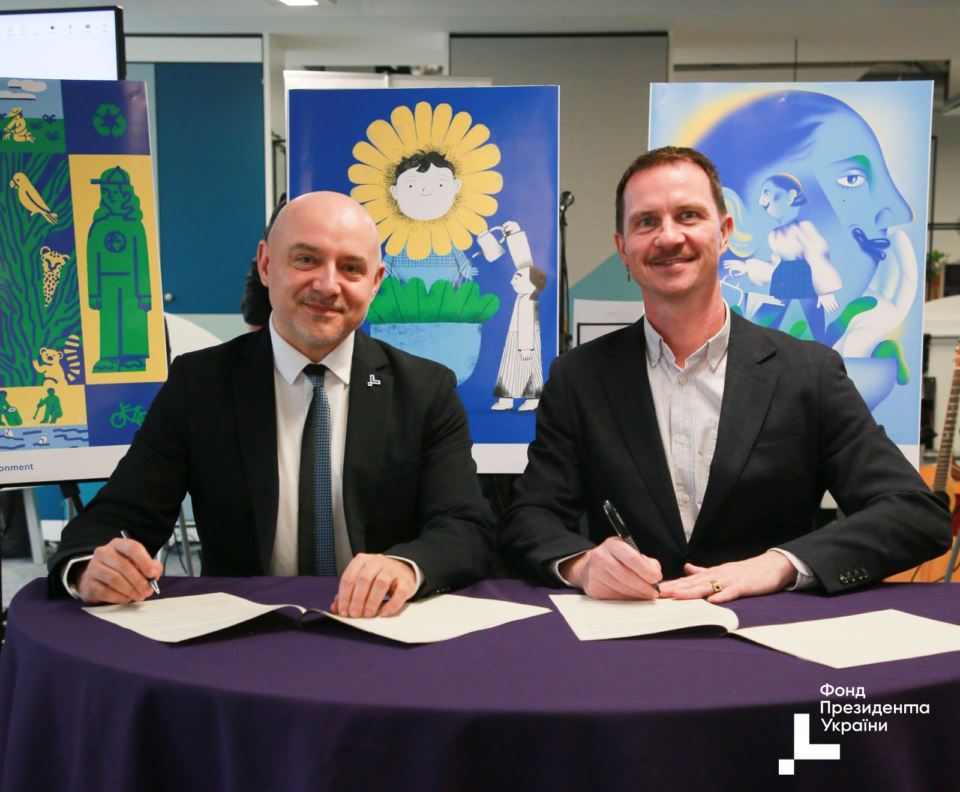
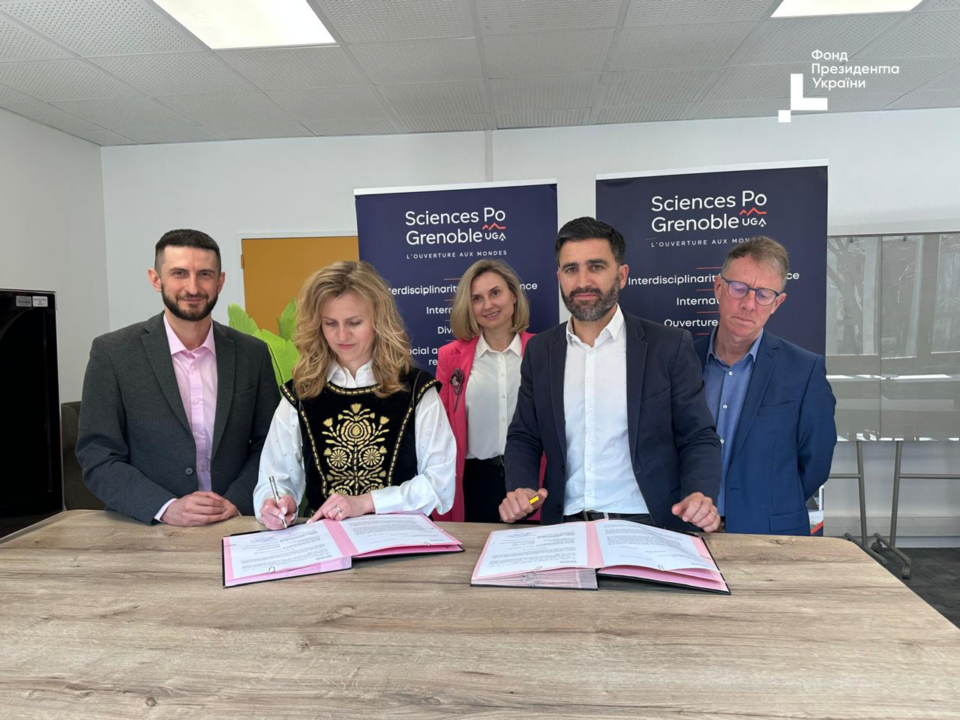
The Ukrainian delegation launched the week at Sciences Po Grenoble. Director Simon Persico signed a formal letter of intent with GCUS, opening pathways for joint projects in research and public diplomacy.
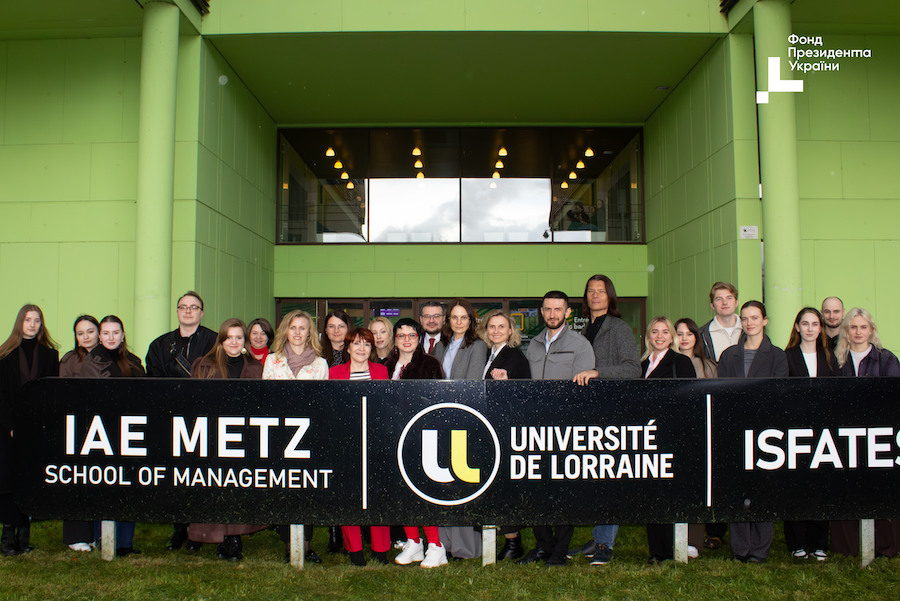
25 March – University of Lorraine (Metz): Historical Memory, Identity, and Crimea
At the University of Lorraine, participants visited the Ban-Saint-Jean memorial to honour tens of thousands of World War II prisoners of war, including many Ukrainians. Academic discussions at IAE Metz explored contemporary approaches to memory politics, alongside a screening of CrimeaVox: Chronicles of the Occupation. The history of Lorraine – shaped by shifting borders and contested identities – resonates strongly with Ukraine’s experience.
26 March – Rennes: Academic Mobility and Institutional Coordination
Meetings in Rennes focused on expanding cooperation with local universities (the University of Rennes and Sciences Po Rennes), creating new opportunities for student and staff exchanges, and embedding Ukraine-related topics into long-term academic collaboration.
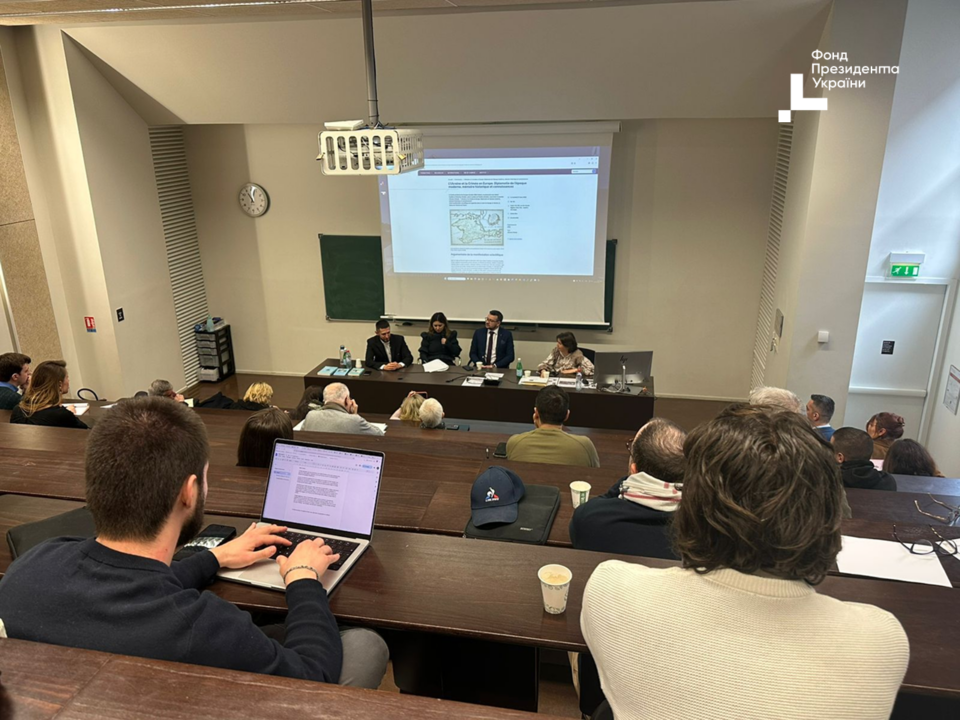
27 March – INALCO, Paris: Ukraine and Crimea in European History and Diplomacy
At INALCO, historian Oleksandr Alfiorov delivered a lecture on early modern Ukrainian diplomacy as a foundation of European sovereignty. A panel discussion highlighted Crimea as a crossroads of Ukrainian, Crimean Tatar, and European histories.
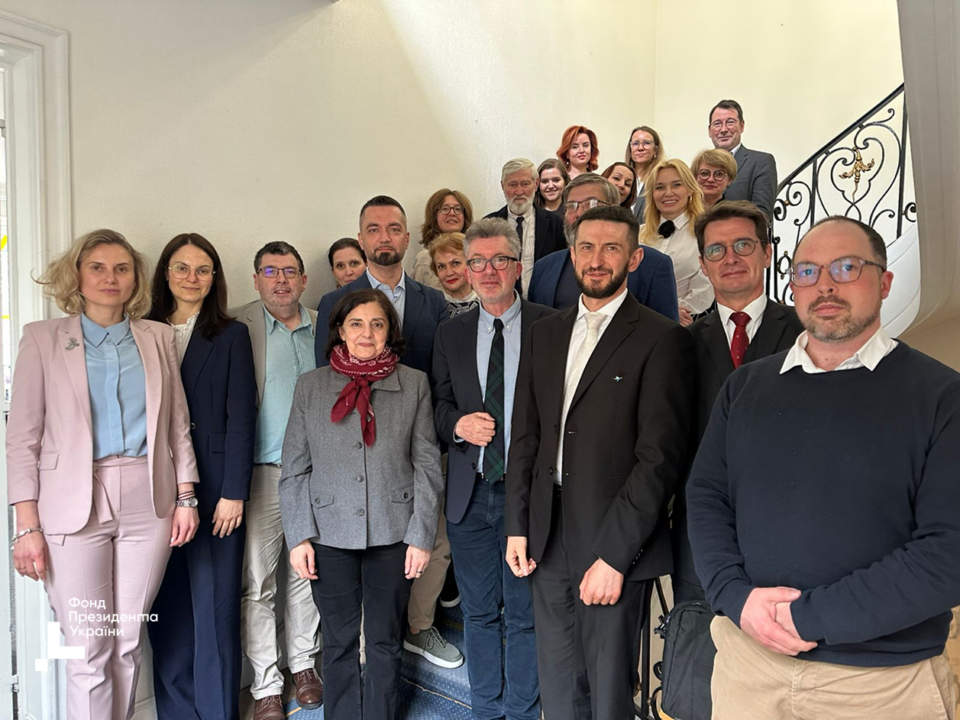
At the Ukrainian Cultural Centre, an Academic Dialogue brought together rectors and scholars. The highlight was the signing of cooperation agreements with Université Lumière Lyon and Université Bordeaux Montaigne, launching joint courses, research initiatives, conferences, and public events.
31 March – Paris: Closing Lecture by Serhii Zhadan
The week concluded at INALCO’s Maison de la Recherche with a keynote lecture by Serhii Zhadan, showcasing Ukraine’s vibrant cultural and intellectual presence in France’s academic landscape.
New Partnerships and Agreements
- Université Lumière Lyon
joined GCUS, committing to joint teaching modules, research collaboration, and the integration of Ukrainian studies into its programmes. - Université Bordeaux Montaigne
became an official partner, supporting new formats for student and researcher collaboration and co-hosted academic events. - Sciences Po Grenoble
confirmed its intention to expand cooperation, particularly in international relations, European policy, and public administration.
Ukrainian Week in France is designed to deliver lasting impact. Integration into the European educational space helps Ukraine retain its human capital while providing students and researchers with access to advanced international practices. Joint programmes enable participants to gain European experience, reducing brain drain. At the same time, international partnerships create strong incentives for young people to remain in – or return to – Ukraine and contribute to its recovery and development.
Organisers and Support
Ukrainian Week in France was organised by the Global Coalition of Ukrainian Studies in cooperation with the Fund of the President of Ukraine for Education, Science, and Sports, the Ukrainian Institute, the Crimea Platform, the Office of the President of Ukraine in the Autonomous Republic of Crimea, the Ministry of Education and Science of Ukraine, the Ministry of Foreign Affairs of Ukraine, the Embassy of Ukraine in France, Sciences Po Grenoble, INALCO, and numerous Ukrainian and French partners.
Background
The Fund of the President of Ukraine for Education, Science, and Sports was established to implement strategic initiatives in human capital development. It focuses on strengthening Ukraine’s education system, supporting talented youth, and expanding international academic cooperation, while creating mechanisms to retain talent within the country.
The Global Coalition of Ukrainian Studies operates under the patronage of Olena Zelenska. As of March 2026, it unites 74 institutions from 26 countries, with a further 130 international institutions expressing interest in joining.