Ukrainian Early-Career Researchers Complete International UK–UA STEM PRO Programme in the United Kingdom
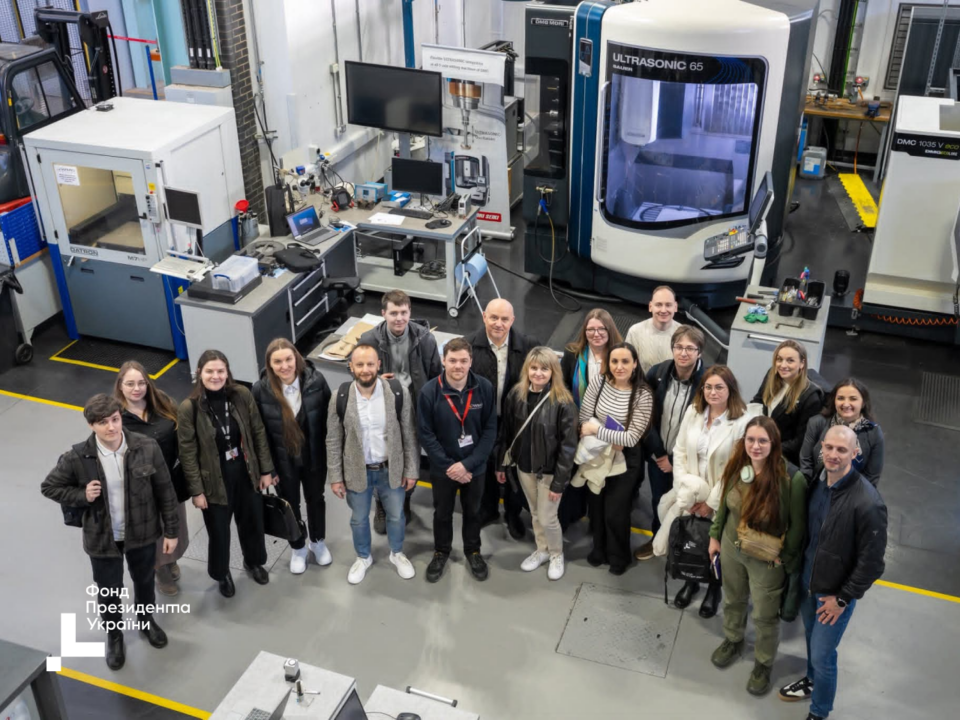
The Fund of the President of Ukraine for Education, Science, and Sports has successfully concluded the international UK–UA STEM PRO programme, which combined ten weeks of online training with leading UK academics and practitioners, culminating in an in-person study visit to the United Kingdom.
The programme was launched following a competitive open call that attracted 73 applications from 18 cities across Ukraine. As a result, 43 lecturers and early-career researchers representing diverse STEM fields were selected to participate. The programme reached its final stage with a study visit hosted by the University of Warwick and its partner institutions.
Participants explored mechanisms for transforming academic research into commercially viable technologies, models of international collaboration, and approaches to managing modern research and innovation ecosystems. The knowledge and experience gained will support the development of university-based start-ups, strengthen Ukraine’s research infrastructure, and contribute to innovation-driven national recovery.
Russia’s full-scale war against Ukraine continues to destroy universities and laboratories, disrupt research logistics, and force scholars to seek funding abroad. Ukraine faces the risk of losing an entire generation of researchers whose work is critical for rebuilding energy systems, healthcare, and industry. In response, the state is creating mechanisms to retain talent by ensuring access to international capital, advanced knowledge, and global partnerships. The UK–UA STEM PRO programme was initiated precisely to address this challenge.
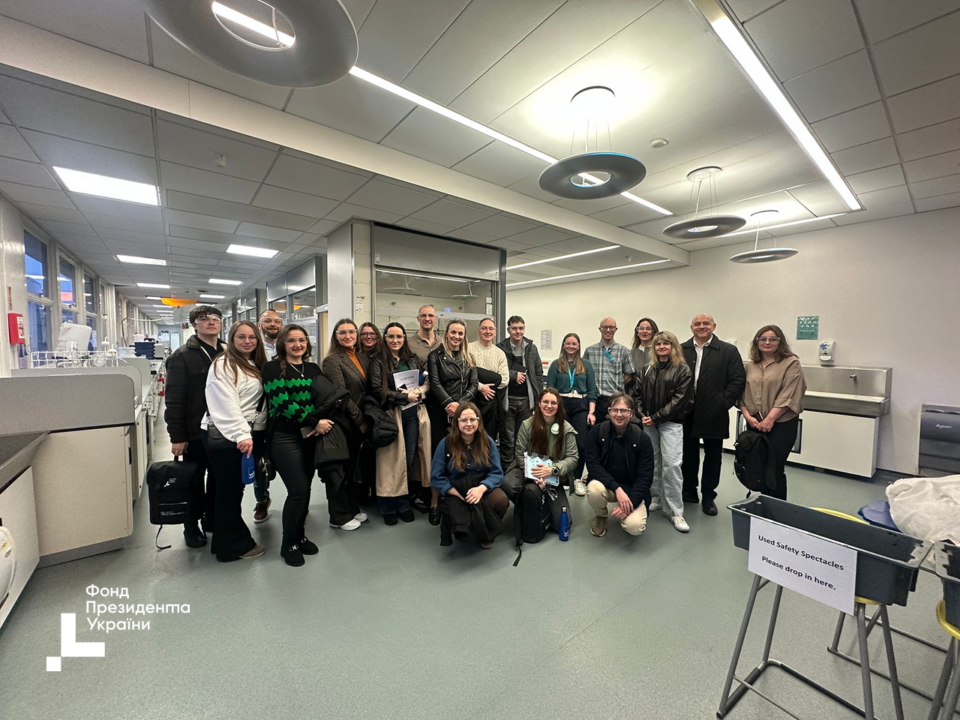

The programme began with ten online sessions delivered by UK professors, industry representatives, and members of the Ukrainian academic diaspora. Participants were trained in the commercialisation of scientific ideas, including technology transfer processes, patenting strategies, and communication with investors. All lecture materials are publicly available on the Fund’s official YouTube channel.
The second phase consisted of an immersive study visit to leading UK innovation centres. The Ukrainian delegation included researchers from the Kyiv Aviation Institute, Bukovinian State Medical University, Kyiv School of Economics, Sumy State University, Kharkiv Polytechnic Institute, Zaporizhzhia Polytechnic, and other higher education institutions. Their expertise spans bioinformatics, microelectronics, applied physics, advanced materials, and engineering.
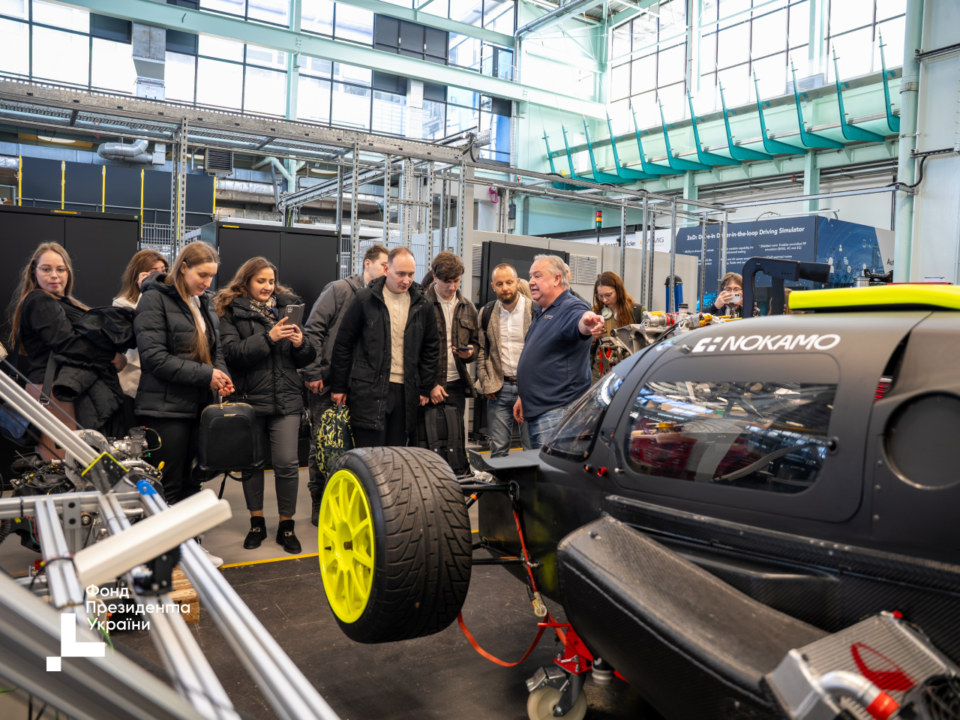
The visit began in Coventry at the University of Warwick, where participants explored the work of the Warwick Manufacturing Group, an applied research hub delivering engineering solutions for industry. The delegation visited student project zones, the International Manufacturing Centre workshops, and the Digital Automation Lab.
Professor David Walker introduced participants to advanced physical laboratory equipment, while Vice-Provost Mike Ward and experts Danny Pearson and Stephen Bromfield shared insights into the organisation of chemical research. At the Gibbet Hill campus, participants explored biotechnology and medical innovation. Professor Andreas Laustsen-Kiel presented a case study on building a business based on venom therapeutics, while Professor Miriam Gifford, David Roper, and Stephen Parnell shared solutions in agrotechnology, pesticide reduction, and antimicrobial resistance.
Participants also strengthened their investor communication skills. Alex Baker from Warwick Business School delivered a training session on pitching and storytelling, while Dan Blakey provided guidance on writing international grant applications. James Brown from the British Science Association discussed science communication strategies. A dedicated topic was the concept of the “porous university,” based on the principles of equitable partnerships between universities and local communities.
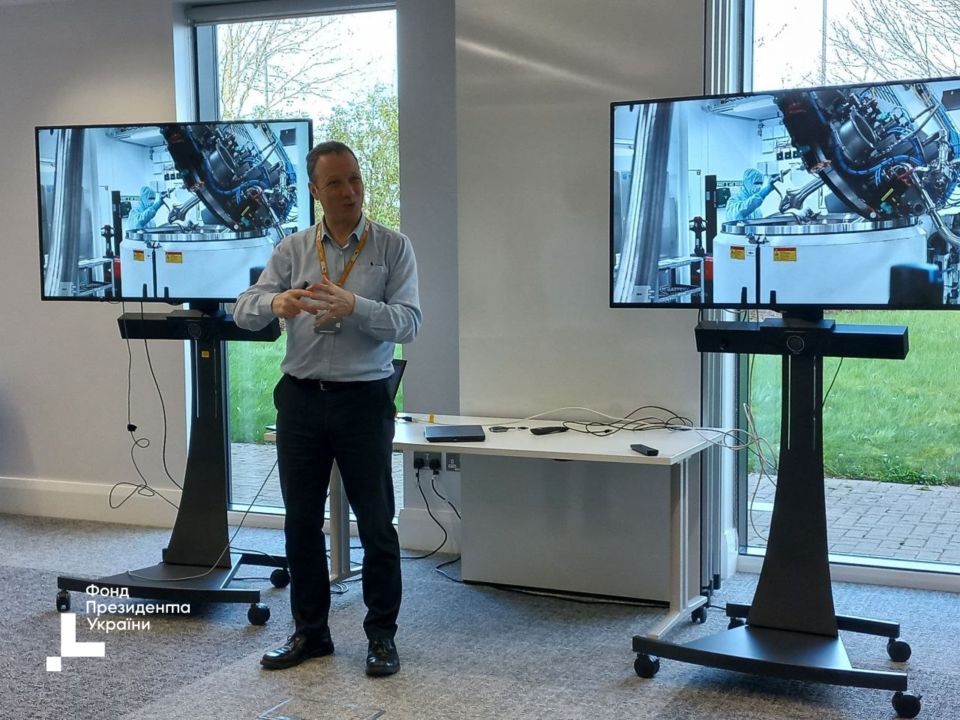
The programme continued in Oxford and other leading innovation locations across the United Kingdom: participants visited the Harwell Science and Innovation Campus, as well as the UK Battery Industrialisation Centre in Coventry. The researchers explored innovation ecosystems where advanced materials are tested prior to large-scale production. The delegation also discussed future joint projects with new partners at the Grassroots Workspace networking hub.
In London, the delegation worked at University College London, meeting with British colleagues including Martin Scott and Danna Karayeva, and visiting the UCL Centre for East European Studies. Participants were also granted exclusive access to the Natural History Museum’s closed collections. A formal reception at the Embassy of Ukraine in the United Kingdom provided a platform to discuss the future of Ukrainian science diplomacy. The programme concluded at Warwick Business School’s London campus in The Shard.
This project was made possible through the collaboration of multiple institutions and partners. Co-organisers included the University of Warwick, the UK–Ukraine Academic Diaspora Network, and the UK Foreign, Commonwealth and Development Office.
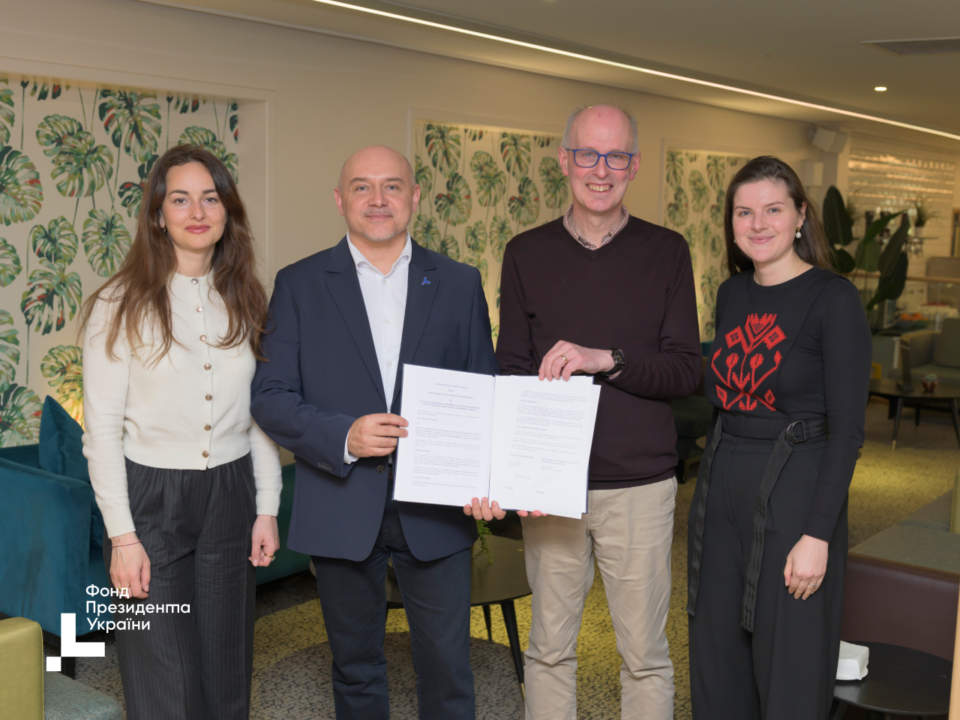
A key role in the programme’s implementation was played by the Fund’s international advisor, Uliana Avtonomova, who coordinated partner resources, engaged leading experts, and adapted UK experience to the needs of Ukrainian institutions:
Background
The Fund of the President of Ukraine for Education, Science, and Sports was established to support talented youth and strengthen the country’s human capital. The Fund coordinates efforts between government, universities, and international organizations. Its key priorities include supporting continued education in Ukraine, attracting international faculty and researchers, and recognizing outstanding achievements.
The UK–UA STEM PRO programme was implemented in partnership with the University of Warwick, the UK–Ukraine Academic Diaspora Network, and ResearchBridge, with the support of the UK Foreign, Commonwealth & Development Office. The programme aims to enhance the competencies of Ukrainian academics and early-career researchers in science, innovation, technology transfer, and industry collaboration.